What Is VAPT and Why Australian Businesses Cannot Ignore It in 2026
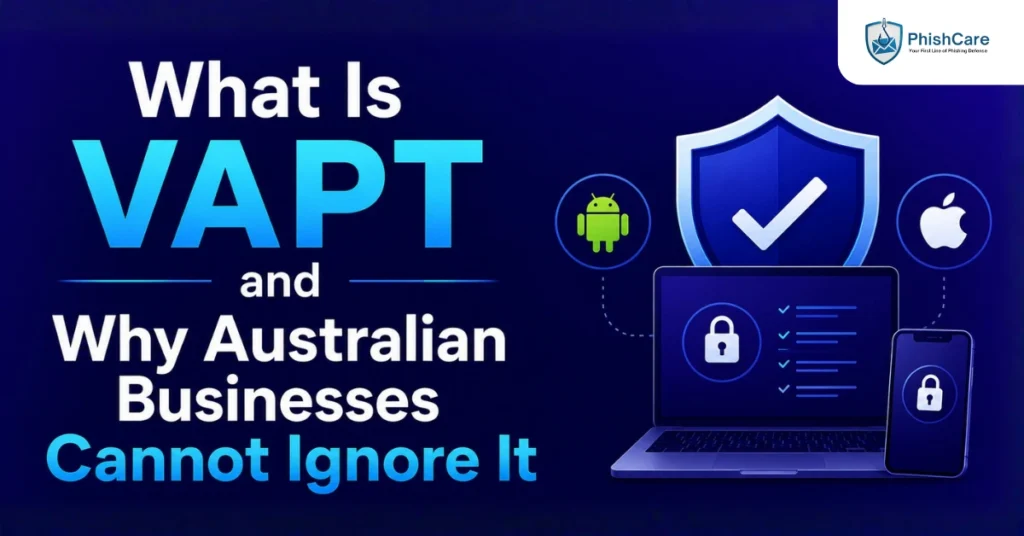
Every week, Australian businesses face phishing attempts, credential theft, ransomware drops, and application exploits. Most of these attacks succeed not because the attacker was sophisticated, but because nobody had ever tested whether the target could withstand one. VAPT — Vulnerability Assessment and Penetration Testing — is the structured process of finding those weaknesses before an […]
Security Testing for Web and Mobile Applications: A Practical Guide for Australian Development Teams
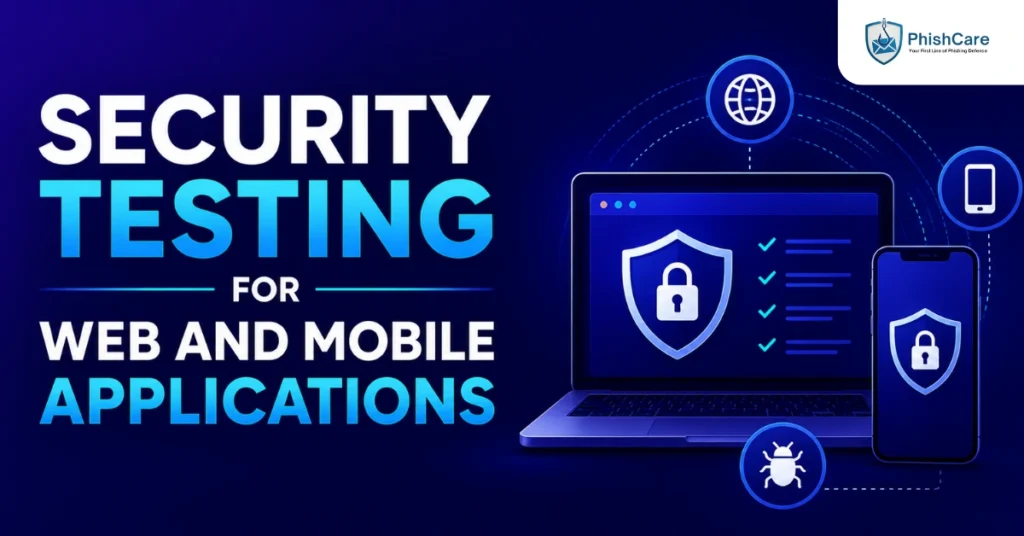
Security testing is no longer something Australian development teams can treat as a late-stage checkbox. As web apps, mobile apps, APIs, cloud services, and third-party integrations become more interconnected, one missed vulnerability can lead to data exposure, outage risk, compliance issues, and avoidable remediation costs. For Australian teams, the challenge is not just building fast. […]
Penetration Testing Services in Australia: What to Look For and How CyberSapiens Delivers It
Choosing penetration testing services in Australia is not just about comparing price or turnaround time. The real value comes from whether the provider can identify exploitable weaknesses, explain business impact clearly, and help your team move from findings to remediation. Many organisations look for penetration testing before a major release, after infrastructure changes, during customer […]
Top 10 Benefits of Choosing PhishCare for Phishing Simulation and Cyber Security Awareness Training in Brisbane (2026)
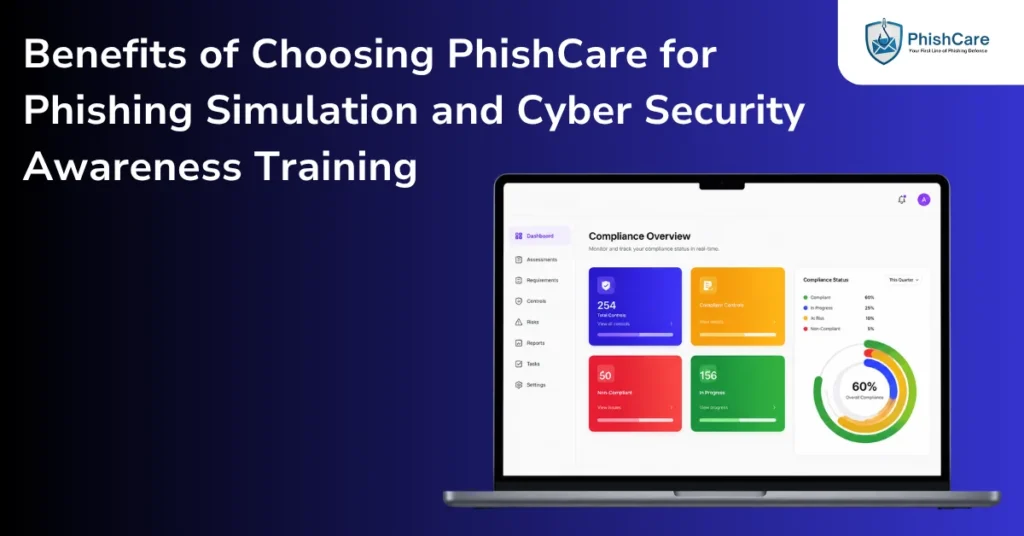
Brisbane Cyber Security Awareness & Phishing Simulation Top 10 Benefits of Choosing PhishCare for Phishing Simulation and Cyber Security Awareness Training in Brisbane Cyber threats continue to target employees through phishing emails, business email compromise attacks, credential theft attempts, and social engineering tactics. As Brisbane organizations face increasing pressure to strengthen cyber resilience, many are […]
How PhishCare Helps Employees Recognize and Report Suspicious Behavior(2026)
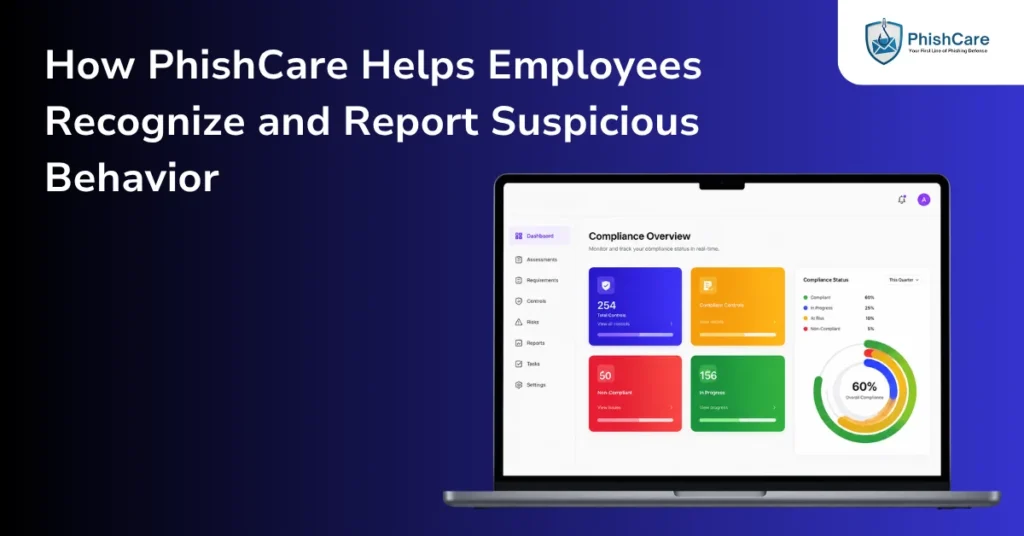
Employee Security Awareness How PhishCare Helps Employees Recognize and Report Suspicious Behavior Employees remain one of the most targeted entry points for cybercriminals. Even with advanced email security controls in place, phishing attacks, social engineering attempts, and suspicious communications can still reach inboxes and business systems. The difference between a prevented incident and a successful […]
Top 10 IT Security Awareness Training Companies in Australia(2026)
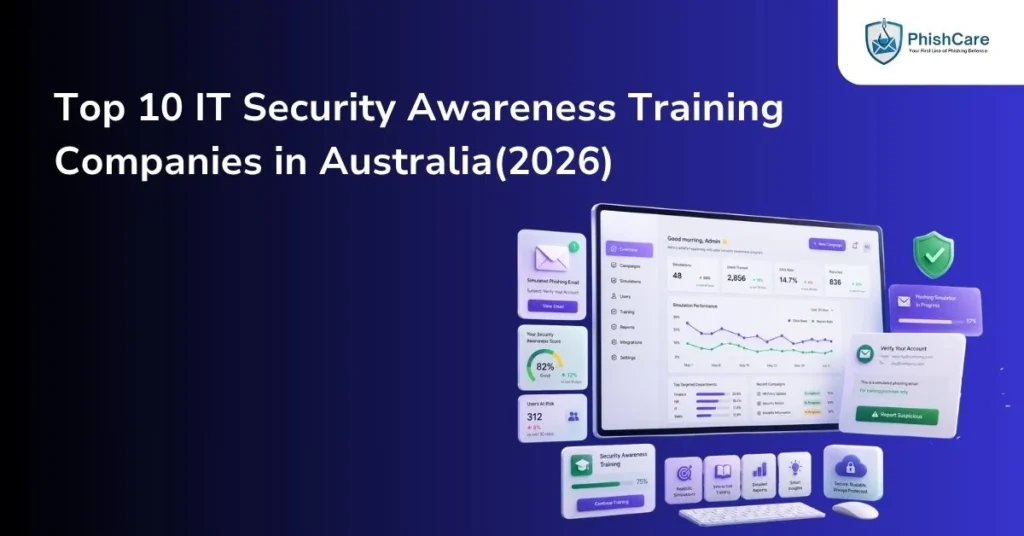
Australia Security Awareness Guide 2026 Top 10 IT Security Awareness Training Companies in Australia Cyber threats continue to target Australian organisations across finance, healthcare, banking, government, education, and technology sectors. While security tools remain essential, employee awareness training has become equally important because phishing, social engineering, business email compromise, and credential theft attacks often begin […]
The Role of Phishing Simulations in Building a Security Aware Workforce (2026)
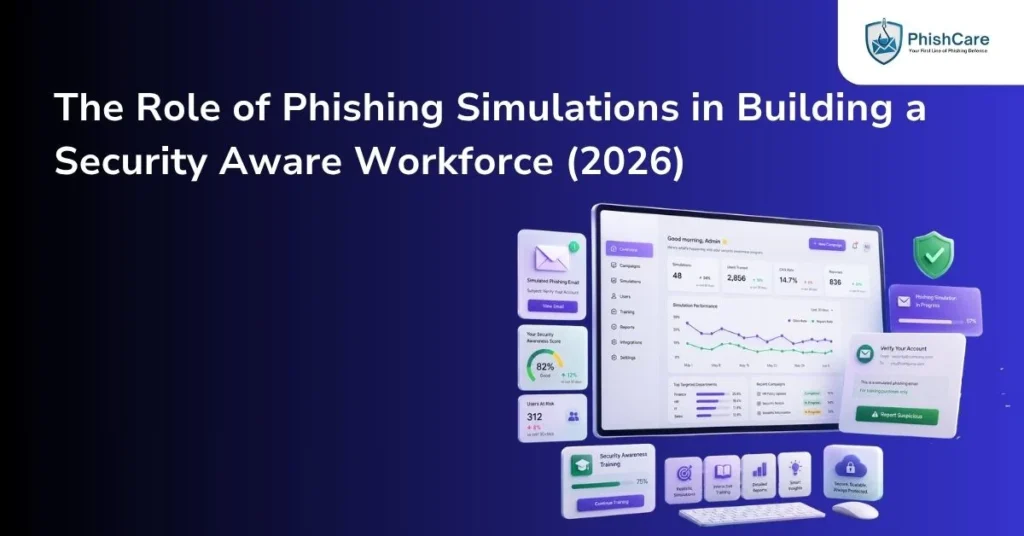
PhishCare › The Role of Phishing Simulations in Building a Security Aware Workforce Employee Security Awareness & Phishing Simulation Guide Why Phishing Simulations Matter More Than Traditional Security Training Cybersecurity awareness programs often fail because employees rarely experience realistic attack scenarios during training. Phishing simulations bridge that gap by exposing teams to controlled phishing attacks […]
How Phishing Awareness Supports ISO 27001 Compliance
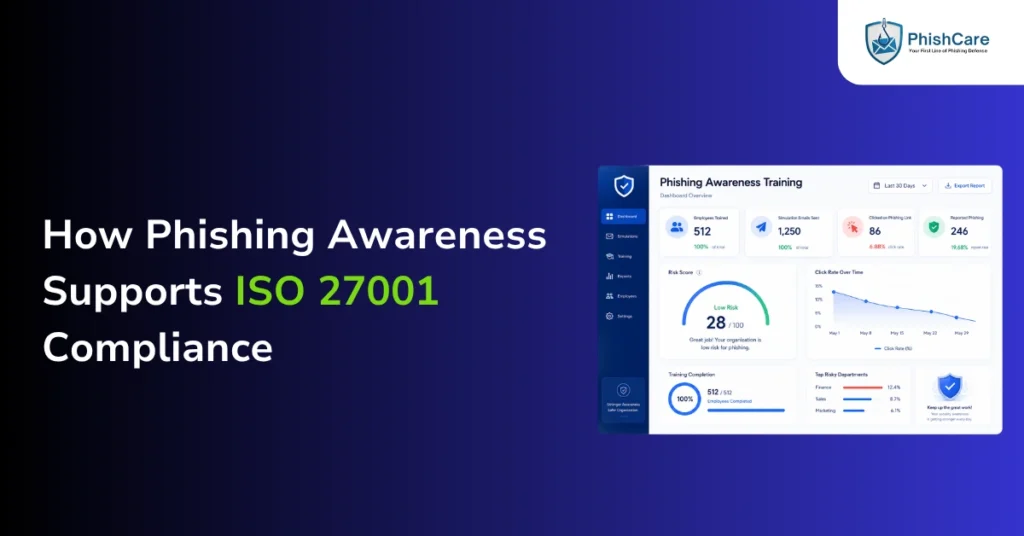
For organizations working toward ISO 27001 compliance, human error remains one of the most significant security risks. While technical controls are essential, phishing attacks continue to bypass security systems by targeting employees through social engineering, credential theft, and deceptive email campaigns. Modern phishing attacks are designed to imitate trusted vendors, cloud platforms, finance departments, and […]
What Are The Best Phishing Simulation Tools for Increasing Employee Awareness in 2026
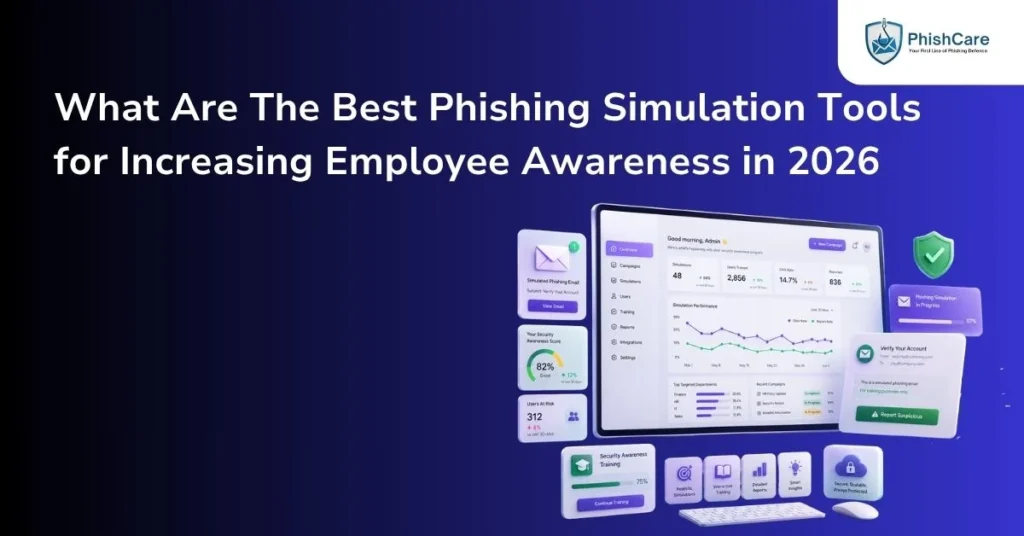
2026 Enterprise Phishing Simulation Guide Best Phishing Simulation Tools for Increasing Employee Awareness in 2026 Modern phishing attacks are increasingly AI-generated, personalized, and difficult for employees to identify. Organizations now require more than annual awareness sessions. They need realistic phishing simulation platforms that continuously test employee behavior, measure risk exposure, and improve long-term security awareness […]
Phishing Simulation and GDPR: What Organizations Must Know
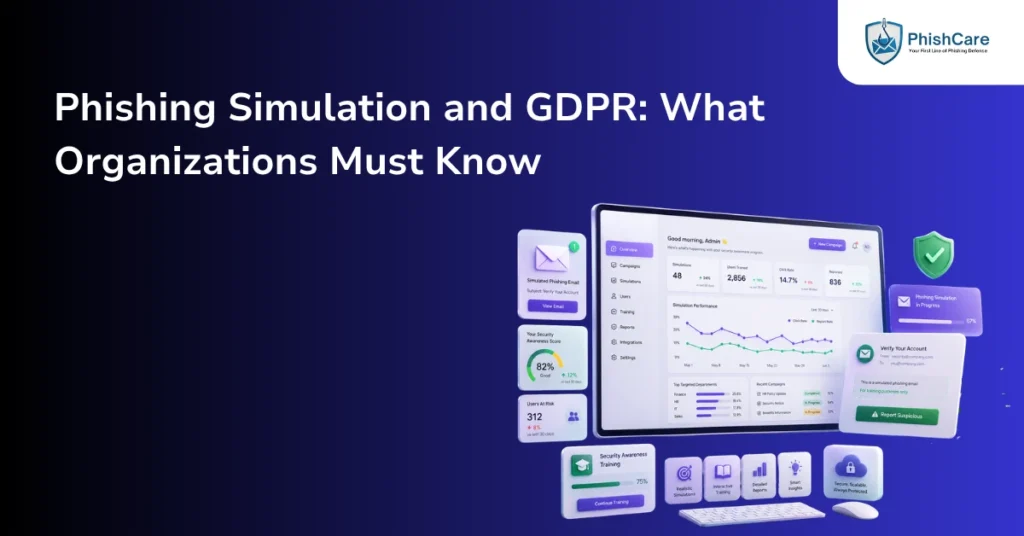
GDPR & PHISHING AWARENESS Why phishing simulation programs matter in modern GDPR-focused security environments Phishing attacks continue to be one of the leading causes of credential theft, ransomware infections, and unauthorized access incidents across modern organizations. In many cases, a single employee interaction with a malicious email can expose sensitive business systems, customer information, or […]